Why soccer keeps going after the added-time number
The board indicates a minimum, not a second clock that guarantees an exact final whistle.
Published on 1 min read
On this page
What the number tells you
IFAB’s match-duration law provides for time lost during each half. Its examples include substitutions, injury assessment, disciplinary interruptions, VAR delays and goal celebrations. The displayed additional time is a minimum; further lost time can extend the half.
That is why a board showing five minutes does not guarantee the referee will end the match at exactly 95:00. Something that interrupts those five minutes can also need to be accounted for.
A simple viewing example
Imagine the board appears and a lengthy interruption begins a minute later. If the referee ended play exactly at the original number, that interruption would consume part of the time meant to replace earlier delays. This example illustrates the principle without claiming to reconstruct a referee’s calculation in a real match.
What not to assume
A long period of added time does not by itself prove that an official favors one team. To assess the decision, you need the actual interruptions and the applicable competition procedures, not just the score when the board appears.
For supporters planning the trip home, leave some flexibility beyond the nominal match length. For viewers, keep stoppage time distinct from extra time: the latter is a separate competition-dependent stage, not another name for minutes added to a half.
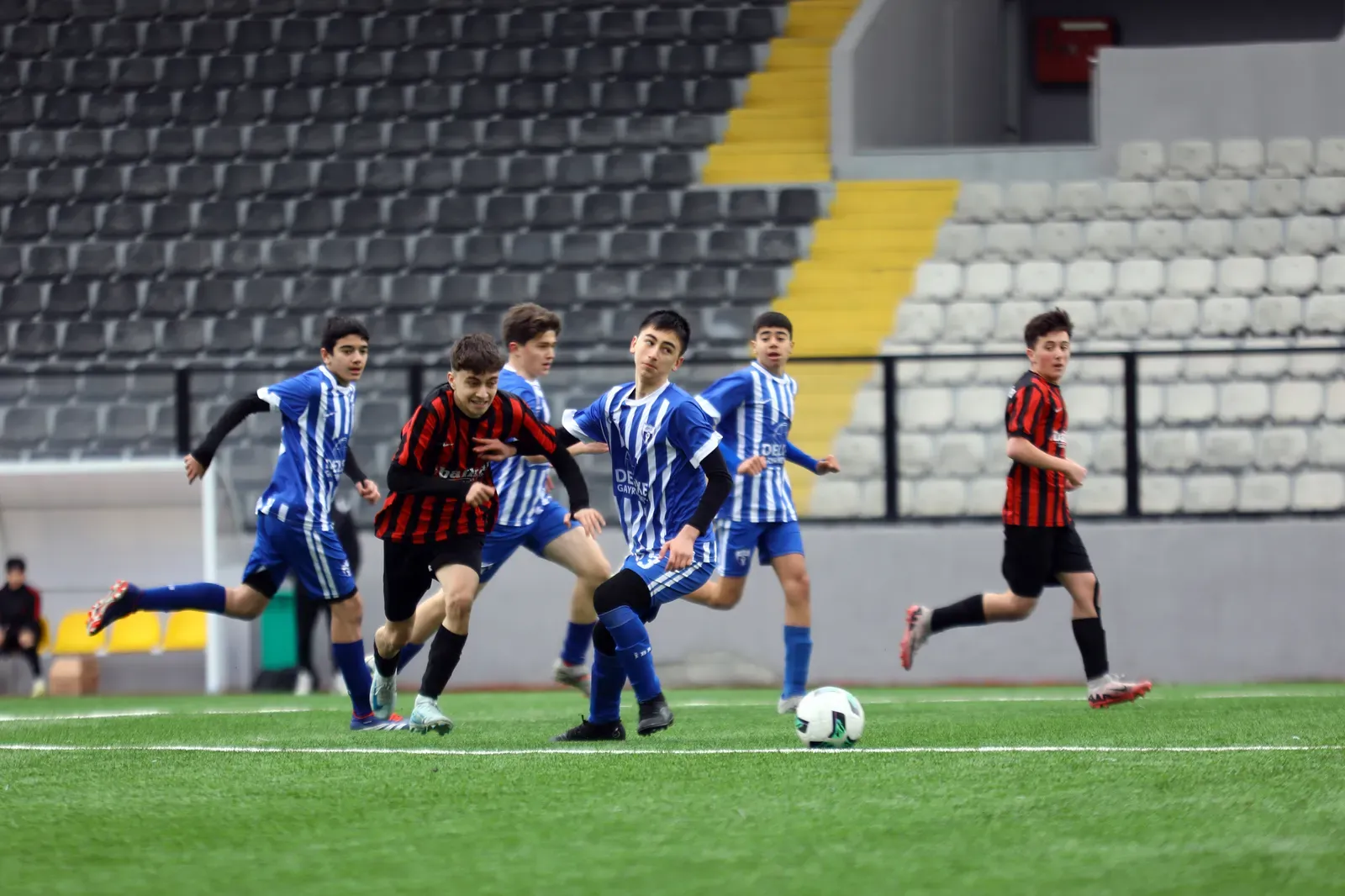
Illustrative cover image: Pexels. It does not document a specific match, named player or ASG product test.
Sources & verification
Last verified:
Official source
IFAB: Law 7, match duration