Start with the surface: a smarter way to buy soccer cleats
Grass, artificial grass or indoor court? Choose the right soleplate before the colorway.
Published on 1 min read
On this page
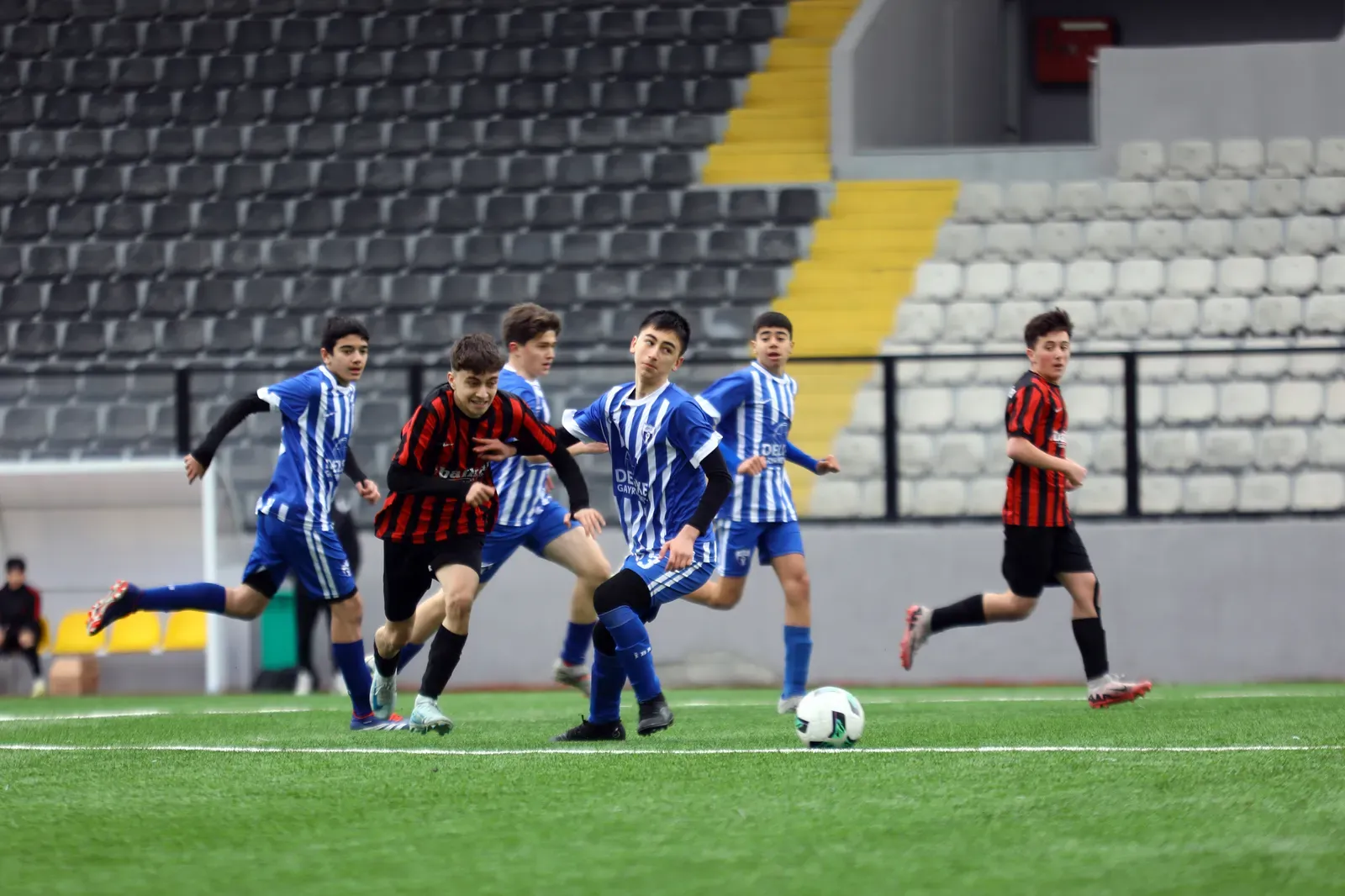
A great-looking pair of cleats is only useful if it belongs on your field. For players in the U.S., a week can include a school grass field, a synthetic training complex and an indoor pickup game. Treat those as different shopping decisions.
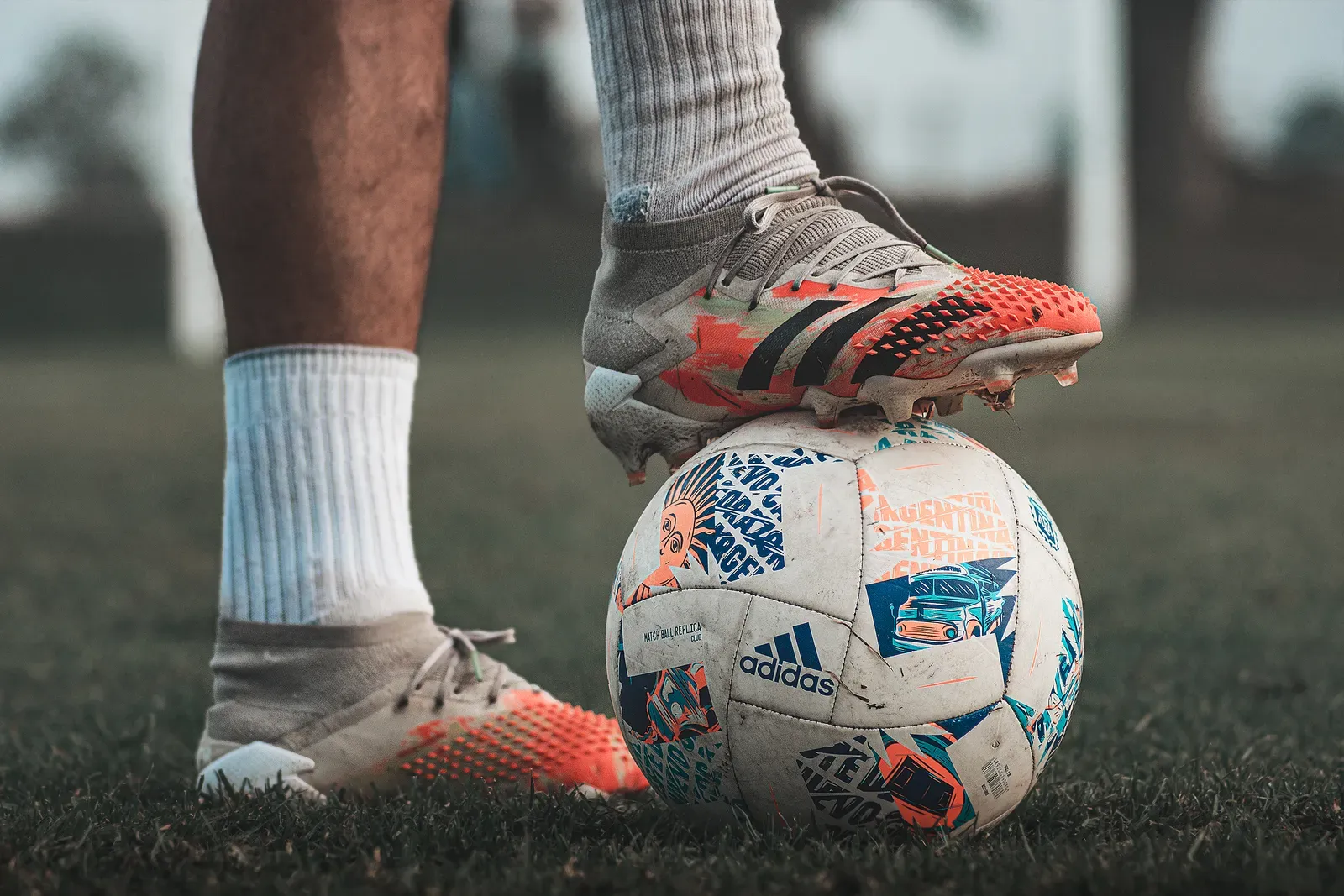
Read the outsole label
Nike’s surface guide separates firm ground, artificial grass, multi-ground, turf and indoor options. Firm-ground designs target natural grass; artificial-grass models target appropriate synthetic pitches. Short-pile turf and smooth indoor courts need their own outsole types. A brand’s product-specific instructions and your facility’s rules should decide compatibility, rather than a blanket claim that all synthetic fields are the same.
Fit the whole playing setup
Try both shoes with the socks you wear for games. Lace them normally, stand up and walk around indoors. Look for a stable heel, comfortable toe room and no pressure hot spots. If the fit feels wrong in the store, an expensive upper is not a reason to accept it.
Before buying online, compare the manufacturer’s measurements with both feet and check the seller’s return conditions. Keep the shoes unworn outdoors until you are confident about the fit. Youth players should be checked again as their feet grow; buying oversized footwear is not a useful substitute for a fit check.
Spend on the right problem
Write down your usual surface, fit requirements and budget before comparing product tiers. A model that fits and matches your field is a better starting point than a professional player’s endorsement. This is a selection guide, not a ranking of boots we have field-tested.
Source: Nike soccer shoe guide, checked September 8, 2026. Always read the instructions for the exact model.